We use cookies to improve your experience on our site. By using our site, you accept or decline cookies as per our Privacy Policy.

  Indoor Cycling Institute
  • Home
    • For Managers
    • Train to be an instructor
    • CPD training for Instructors
  • About
  • Courses
    • ONLINE indoor cycling instructor training course
    • ICI Indoor Cycling Instructor training course (1 day)
    • ICI indoor cycling instructor training course (2 day)
    • Indoor Cycling with Power
    • Studio Manager course
    • Indoor Cycling for the Older Adult
    • Upgrade your certificate to ICI standard
    • More CPD courses
  • Course dates
    • UK indoor cycling instructor training >
      • Aldershot, Hampshire
      • Bristol
      • Manchester
      • West Midlands (Aldridge)
    • International indoor cycling instructor training
  • Instructor Progression
    • Endorsed Instructor
  • Professional Standards
  • Join ICI
  • Contact
  • Free resources
  • FTP training
  • Articles
  • Terms and conditions

How Recovery Enhances Indoor Cycling Performance

24/11/2023

0 Comments

 
Picture
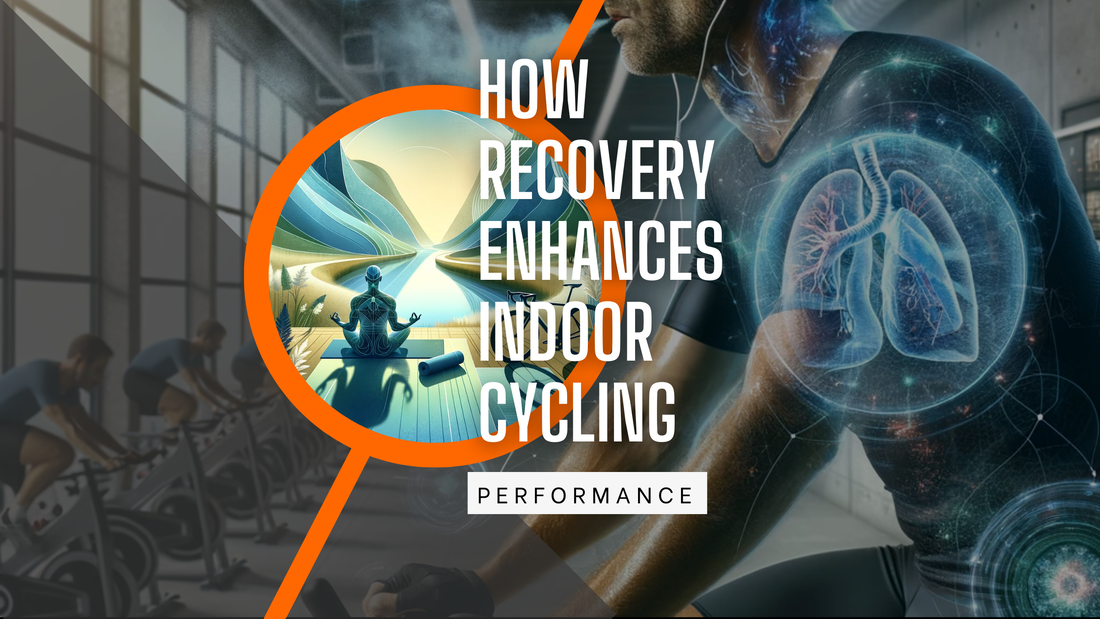
Ah the kinetic symphony of cycling – the rhythmic pedalling, the meticulous tuning of resistance, and the seamless choreography of a well-planned session. However, a crucial component that often plays second fiddle in our high-energy regime is recovery. It's not just a period of inactivity or a break from the rigours of training; it's an active component in enhancing performance.
The Science of Recovery in Indoor Cycling
  1. Understanding the Physiology of Recovery
    Recovery is not a passive process. It's a time when the body adapts to the stress of exercise, replenishes energy stores, and repairs tissues. After an intense cycling session, your muscles are in a state of microtrauma, necessitating repair. Glycogen, the stored form of glucose, is depleted and needs replenishing.
    During this phase, the parasympathetic nervous system, often termed the 'rest and digest' system, comes into play. It helps lower heart rate, blood pressure, and stimulates digestion – essentially reversing the high-alert state of the sympathetic nervous system activated during exercise.
  2. The Role of Sleep
    Sleep is perhaps the most underrated tool in an athlete's recovery arsenal. It's during deep sleep that growth hormone levels peak, facilitating muscle repair and growth. Inadequate sleep can impair these processes, leading to suboptimal performance and increased risk of injuries.
  3. Nutritional Strategies for Optimal Recovery
    Post-exercise nutrition plays a pivotal role in muscle recovery. The ideal recovery meal or snack should contain a blend of carbohydrates and protein. Carbohydrates replenish glycogen stores, while protein aids in the repair of muscle damage. Hydration is another key aspect, as even mild dehydration can impair performance and recovery.
  4. Active Recovery Techniques
    Active recovery, involving low-intensity exercise, can facilitate muscle recovery by increasing blood flow, which aids in nutrient delivery and waste product removal. Techniques like gentle spinning on the bike, yoga, or even a leisurely walk can be beneficial.
  5. The Psychological Aspect of Recovery
    Mental fatigue can be just as debilitating as physical fatigue. Techniques such as mindfulness, meditation, and even simple relaxation techniques can help in mental recovery, ensuring that your cyclists are both physically and mentally ready for their next high-intensity session.

Implementing Recovery in Indoor Cycling
  1. Balancing Intensity and Recovery
    It's important to balance high-intensity sessions with adequate recovery time. This can be achieved by alternating between hard and easy days, allowing for active recovery sessions post high-intensity workouts.
  2. Educating Cyclists on the Importance of Recovery
    Encouraging your cyclists to prioritise recovery is as important as pushing them during training. Educating them about the physiological and psychological benefits of recovery will help them understand its role in enhancing performance.
  3. Customised Recovery Plans
    Every cyclist is unique, and their recovery needs vary. Customising recovery plans based on individual needs, fitness levels, and training intensity can lead to more effective results.
  4. Monitoring Overtraining
    Keeping an eye on signs of overtraining, such as prolonged fatigue, decreased performance, insomnia, or irritability, is crucial. This not only prevents burnout but also underscores the importance of recovery.

Recovery Tools and Techniques
  1. Sleep Hygiene
    Educating about good sleep hygiene – such as maintaining a regular sleep schedule, creating a restful environment, and avoiding stimulants before bedtime – can significantly enhance recovery.
  2. Nutrition and Hydration Tips
    Providing guidance on post-workout nutrition and emphasising the importance of staying hydrated can aid in effective recovery.
  3. Active Recovery Sessions
    Incorporating structured active recovery sessions in your cycling programme can be beneficial. These sessions should be low intensity and enjoyable, facilitating recovery without adding undue stress.
  4. Mindfulness and Mental Recovery Techniques
    Introducing simple mindfulness or relaxation techniques at the end of a session can aid in mental recovery, preparing the mind for the next challenge.

Conclusion

Recovery is the silent hero in the narrative of indoor cycling performance. It's not merely a break from training; it's an essential component that complements and enhances the hard work put into training sessions. As instructors, fostering a culture that values and understands the science of recovery can lead to more effective training, better performance, and a healthier, more sustainable approach to indoor cycling. Remember, in the pursuit of peak performance, recovery is not a luxury; it's a necessity.

0 Comments


Leave a Reply.

    Picture
    Picture
    Picture
    Picture
    Picture
    Picture

Get started

Book now
Courses
Contact
Handbook

Courses

Entry level
Course dates
Book now
CPD

Further learning

Membership
Why ICI?
ICI Blog/Articles
Code of conduct

More

Jobs
Small print
Printables and resources
Instructor Pathway

Follow the ICI WhatsApp Channel
The Indoor Cycling Institute supports education, guidance and good practice in indoor cycling.
Train | Develop | Belong
© 2014-2026 Protheorem Ltd

Picture
  • Home
    • For Managers
    • Train to be an instructor
    • CPD training for Instructors
  • About
  • Courses
    • ONLINE indoor cycling instructor training course
    • ICI Indoor Cycling Instructor training course (1 day)
    • ICI indoor cycling instructor training course (2 day)
    • Indoor Cycling with Power
    • Studio Manager course
    • Indoor Cycling for the Older Adult
    • Upgrade your certificate to ICI standard
    • More CPD courses
  • Course dates
    • UK indoor cycling instructor training >
      • Aldershot, Hampshire
      • Bristol
      • Manchester
      • West Midlands (Aldridge)
    • International indoor cycling instructor training
  • Instructor Progression
    • Endorsed Instructor
  • Professional Standards
  • Join ICI
  • Contact
  • Free resources
  • FTP training
  • Articles
  • Terms and conditions